

The ground beneath your feet in Streamwood is not a static entity. It shifts, settles, and responds to seasonal moisture and temperature fluctuations unique to our region. This geological reality is the often-overlooked culprit behind paver patios and walkways that were once pristine but are now uneven, weed-infested, or sunken.
A surface-level cleaning cannot address these foundational issues. Nu-AGAIN provides a technically advanced approach to brick paver restoration, beginning with an understanding of the subsurface challenges. For a comprehensive evaluation of your paver surfaces, connect with our specialists at 866-597-3325 .
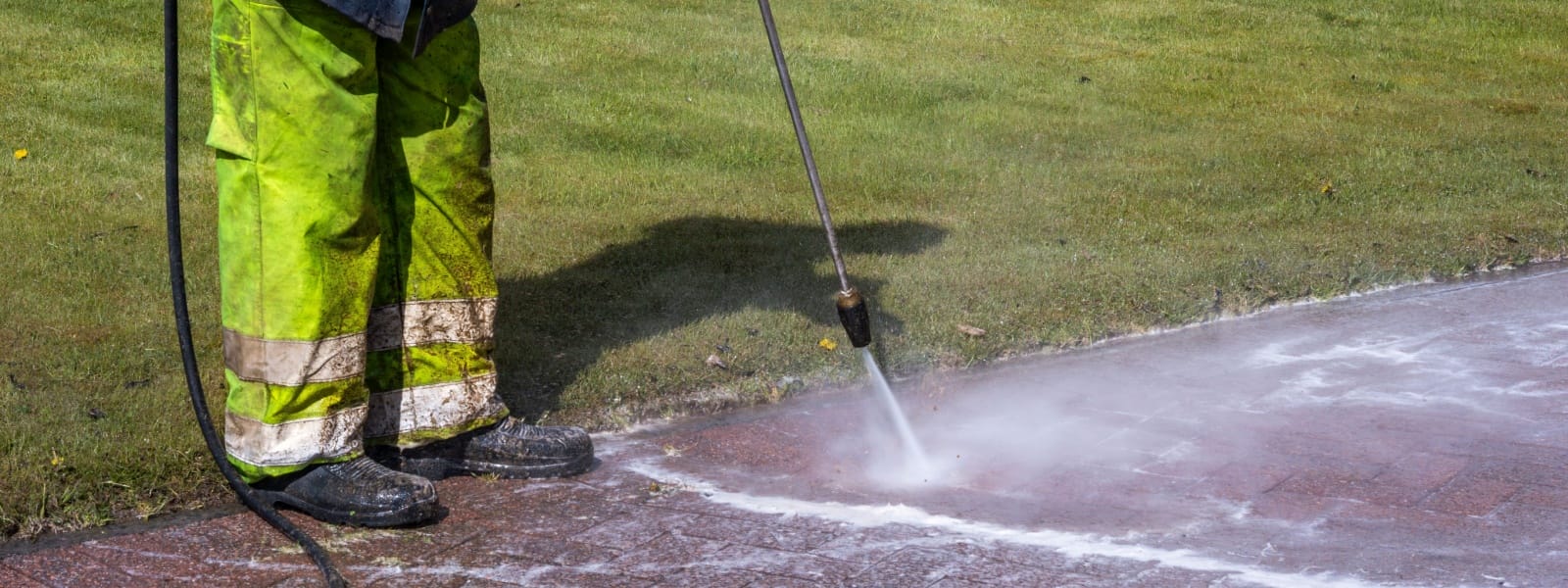
The Underlying Challenge of Paver Degradation
Many property owners believe that weeds and shifting pavers are simply maintenance annoyances. In reality, they are symptoms of a deeper, systemic failure within the paver system’s structure. Understanding the root cause is the first principle of effective and lasting restoration.
Without addressing the foundation, any aesthetic improvements are merely temporary bandages on a persistent problem.
Failure of the Sub-Base
The most common point of failure is the aggregate base beneath the pavers. Improper initial compaction or an insufficient depth of this base material leads to settling over time. Water infiltration, exacerbated by our local freeze-thaw cycles, can liquefy the soil below, causing the base to shift and creating the dips and unevenness you see on the surface.
This is not a paver problem; it is a geotechnical one that requires a structural remedy.
Joint Sand Erosion and Its Consequences
The sand in the joints between your pavers is not just filler; it is a critical structural component that locks the pavers together, allowing them to distribute loads as a single, flexible pavement. When this sand washes away due to rain or improper cleaning, the pavers lose their interlock. This allows them to shift, rotate, and provides a perfect, nutrient-rich environment for weeds and moss to take root.
This is why a comprehensive Brick Paver Restoration Streamwood IL service must focus heavily on joint stabilization.
Material-Specific Issues like Efflorescence
That white, chalky haze that can appear on brick pavers is a natural phenomenon called efflorescence. It is the result of soluble salts within the concrete migrating to the surface with water and being left behind after the water evaporates. While not structurally damaging, it significantly detracts from the aesthetic value.
Its removal requires specific chemical cleaners, not just high-pressure water which can damage the paver surface.
A Systematic Solution for Lasting Paver Integrity
Our approach to Brick Paver Restoration is not about superficial cleaning. It is a multi-phase engineering process designed to deconstruct the failed system, correct the foundational flaws, and rebuild it for long-term stability and beauty. We treat your patio or walkway like the complex pavement system it is.
Phase One: Diagnostic and Deconstruction
The process begins with a thorough analysis to identify the precise points of failure. We then carefully remove the pavers in the affected areas, cataloging them for reinstallation. This allows us full access to the compromised sub-base, the true source of the problem.
Phase Two: Sub-base Fortification
This is the most critical stage. We excavate the failed base material and re-grade the area to ensure proper water runoff, directing moisture away from the foundation of your home and the paver installation itself. We then install new, high-grade aggregate base material in layers, or lifts, mechanically compacting each layer to achieve optimal density.
This process creates an incredibly stable foundation that resists settling and the effects of frost heave, a standard advocated by industry leaders like the Interlocking Concrete Pavement Institute (ICPI) .
Phase Three: Precision Reinstallation and Joint Stabilization
With the foundation corrected, we reinstall the original pavers, ensuring precise leveling and consistent joint spacing. We then sweep high-quality polymeric sand into the joints. Unlike standard sand, polymeric sand contains a binding agent that is activated with water.
It hardens to form a firm yet flexible joint that locks pavers together, resists erosion, and creates an inhospitable environment for weeds and insects.
The Nu-AGAIN Difference: A Geotechnical Approach
What separates Nu-AGAIN from companies offering simple pressure washing is our foundational, scientific methodology. We understand that a lasting repair in Streamwood, IL, must account for our specific climate and soil conditions. A superficial cleaning might look good for a month, but our structural brick paver restoration is designed to last for years.
We address the cause, not just the symptom. Our selection of commercial-grade sealants goes beyond mere aesthetics; we choose products with superior UV inhibitors to prevent color fading and specific formulations that further harden the joint sand, creating a monolithic, resilient surface.
Verifiable Results Beyond Surface-Level Aesthetics
The outcome of our process is a paver surface that is not only visually stunning but also structurally sound. You will see a perfectly level surface, free of tripping hazards. You will notice improved drainage, with water shedding away properly instead of pooling.
Over the long term, you will experience a dramatic reduction in weed growth and maintenance requirements. The colors of your pavers will be richer and protected from the sun’s harsh rays. Exploring our portfolio of successful projects provides clear evidence of the transformations we deliver.
The true result is peace of mind, knowing your investment is stable, safe, and secure from the ground up.
Your Next Steps Toward a Permanent Paver Solution
Reclaiming the beauty and function of your outdoor space is a straightforward process with Nu-AGAIN. We guide you through each step with clarity and expertise.
- Initial Consultation: Your first call allows us to understand the specific issues you are facing with your pavers and schedule an on-site evaluation.
- On-Site Analysis: A Nu-AGAIN technician will visit your property to perform a detailed technical assessment, identifying the root causes of failure and measuring the scope of the project.
- Detailed Proposal: You will receive a comprehensive proposal that doesn’t just list a price. It explains our findings, outlines the exact scope of work for the brick paver restoration, details the materials we will use, and provides a clear timeline.
To begin the process of permanently solving your paver problems, contact the expert team at Nu-AGAIN. Call 866-597-3325 today to schedule your technical evaluation and take the first step toward a beautiful, stable outdoor living area.
Frequently Asked Questions About Paver Restoration
How is professional restoration different from a DIY power washing and sealing?
The primary difference lies in addressing the foundation. A DIY project typically only cleans the surface and might apply a retail-grade sealer. Our professional Brick Paver Restoration Streamwood IL service involves diagnosing and correcting the sub-base, re-leveling the entire surface, and using commercial-grade polymeric sand and sealants.
We solve the underlying structural problems for a long-lasting result that a surface cleaning cannot achieve.
What causes the white, hazy film on my pavers and can it be removed?
This is a mineral deposit called efflorescence. It occurs when moisture dissolves natural salts within the paver and carries them to the surface. As the water evaporates, the salt deposits are left behind.
Yes, it can be safely and effectively removed using specialized, acidic-based cleaners designed to dissolve the mineral salts without damaging the paver’s surface or color.
Will sealing my pavers make them slippery when wet?
This is a valid concern. The level of slipperiness depends on the type of sealer used. High-gloss, film-forming sealers can reduce traction.
However, we offer a range of sealant options, including penetrating sealers that offer protection without creating a surface film, and sealers that can be mixed with a polymer grit additive. This additive creates a texture similar to fine sandpaper, providing excellent slip resistance even when the surface is wet.
How long does your brick paver restoration in Streamwood typically last?
Because our process rebuilds the paver system from the base up, the structural repairs are designed to be permanent. The aesthetic protection from the cleaning and sealing typically lasts between 3 to 5 years, depending on factors like traffic, sun exposure, and drainage. We recommend a simple maintenance clean and re-sealing every few years to keep the joints strong and the surface protected, which is a far less intensive process than the initial full restoration.